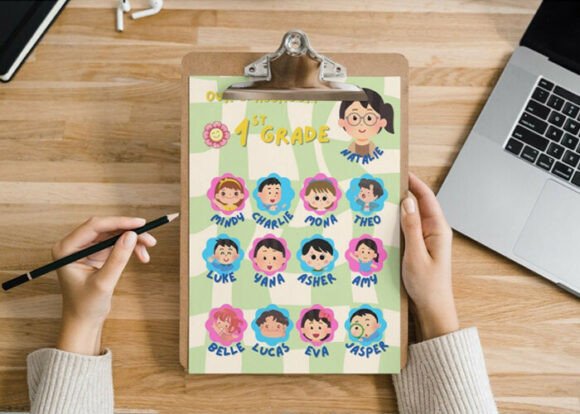
Classroom Membership Templates: Building Student Identity
In the dynamic environment of a first-grade classroom, fostering a sense of belonging is just as critical as teaching the curriculum. For designers, marketers, and educators looking to create engaging educational materials, the Classroom Membership Templates offer a specialized solution. These are not merely decorative papers; they are functional tools designed to help young students recognize their peers, practice reading names, and engage in social activities. By utilizing PDF template files that are fully editable in Canva, you bridge the gap between creative design and practical classroom management.
The Visual Appeal of Personalized Education
The visual style of these templates strikes a balance between playful and structured, which is essential for the first-grade demographic. Unlike generic corporate templates, these designs prioritize warmth and approachability. You will often find that the typography used within these kits leans heavily toward handwritten fonts or rounded sans serif fonts. This choice is deliberate; it mimics the friendly, approachable nature of early education while maintaining high readability. The layouts typically feature ample white space and designated areas for student photography, ensuring that the child’s face remains the focal point.
From a brand identity perspective for a school or tutoring center, these templates help establish a cohesive visual language. When every student has a membership card or a "classroom passport" that shares the same color palette and visual hierarchy, it creates a unified classroom culture. The design personality is encouraging and inclusive, avoiding the stark minimalism of modern typography in favor of something that feels more tactile and personal. This aesthetic choice directly influences how students interact with the material; a colorful, well-designed card invites interaction, whereas a plain text list does not.
Practical Applications Beyond the Bulletin Board
While the primary function is introduction, the utility of Classroom Membership Templates extends far beyond simple name tags. For the creative professional or educator designing these materials, understanding the versatility of the asset is key. These templates serve as excellent tools for:
- Name Recognition Activities: Creating flashcards or "Who is this?" games to help students memorize their classmates' names.
- Group Dynamics: Designing "teams" or "club cards" that encourage students to work together based on shared characteristics observed in the template.
- Visual Observation: Using the photo elements to prompt discussions about physical characteristics or expressions, aiding in vocabulary building.
For marketers and small business owners in the educational sector, these templates are valuable design assets. If you are selling educational kits or running a private tutoring service, having a professional, editable set of membership templates elevates your offering. It signals to parents that your program is organized and visually stimulating. The ability to edit text and insert photos via Canva means you can quickly personalize these for clients without needing advanced software skills, making it a highly efficient asset for entrepreneurs.
Design Strategy: Choosing and Customizing the Templates
When selecting a template from this category, you must evaluate the font pairing and layout structure to ensure they meet the project's needs. A common pitfall in designing for young children is using overly complex script fonts that are illegible to emerging readers. The best Classroom Membership Templates utilize clear, bold headers paired with a clean body text. Look for templates that offer a strong visual hierarchy—the student's name should be the most prominent element, followed by the photo, and then supplementary information.
Evaluating the "fit" of a template involves looking at the commercial font licenses included. Since these are intended for wide distribution within a class or as part of a product, ensure the typeface used is free for commercial use or that the template provider has secured the rights. Furthermore, consider the adaptability of the design. A good template should function well in both digital formats (like a class slideshow) and print formats (like a physical card or poster).
Here is a practical guide to refining these templates for maximum impact:
- Check Readability: Avoid serif fonts with high contrast for the main student names, as these can be difficult for children to decode. Stick to clean sans serif or simple handwritten styles.
- Color Psychology: Use the template’s color settings to differentiate groups. For example, "Red Group" vs. "Blue Group" helps with organizational management.
- Photo Quality: Ensure the placeholder for the photo is high-resolution. Blurry photos can make the design look unprofessional and make it harder for students to recognize their peers.
- Interactive Elements: If using this for digital social media graphics or parent newsletters, consider adding a QR code that links to a welcome video or class rules page.
Enhancing Classroom Culture Through Design
The ultimate goal of using Classroom Membership Templates is to enhance the social fabric of the classroom. For the content creator or designer, this is an exercise in empathy and user experience. You are designing for a specific audience—six and seven-year-olds—who process information differently than adults. The visual hierarchy must be immediate and clear.
Consider the psychology of ownership. When a student sees their name written in a beautiful, stylized font next to their photo on a "Membership Card," it boosts their self-esteem. It transforms them from just another face in the crowd to a recognized member of a community. This is a powerful application of design assets in a pedagogical setting.
Furthermore, these templates can be adapted for packaging design if you are creating "Welcome to School" kits for parents. Imagine a folder containing the student's schedule, a sticker sheet, and a personalized membership card, all sharing the same brand identity. This level of consistency creates a professional impression that reassures parents they have chosen the right environment for their child.
By leveraging the editability of Canva and the structured layouts of premium templates, you can produce materials that are not only aesthetically pleasing but also functionally superior. Whether you are a teacher organizing your room or a designer creating resources for the education market, these templates provide a solid foundation for creativity and connection.